

Renewable Energy Integration Strategies for Businesses
As the pressures of climate change and evolving regulations mount, businesses face the dual challenge of reducing their environmental impact while maintaining economic viability. Integrating renewable energy into an organization’s core operations not only enhances sustainability but also offers strategic advantages such as cost savings, improved brand image, and secure energy supplies. This page explores the foundational and advanced strategies businesses can leverage to effectively transition towards renewable energy, ensuring long-term resilience and growth in a competitive market.
Assessing Renewable Energy Readiness
01
Energy Usage Analysis
A comprehensive audit of current energy usage forms the basis for any renewable integration plan. By examining consumption patterns, peak demand periods, and inefficient processes, organizations gain critical insights into where renewables will have the greatest impact. Understanding historical data also helps forecast future needs, ensuring that renewable investments are appropriately scaled.
02
Infrastructure Evaluation
The existing infrastructure—such as buildings, electrical systems, and production lines—must be evaluated for compatibility with renewable technologies. Older facilities may require upgrades to support solar panels, wind turbines, or storage solutions. Addressing these technical prerequisites minimizes interruptions during installation and maximizes the returns on renewable investments.
03
Organizational Goals Alignment
Integration strategies must align with broader organizational objectives, whether they pertain to cost reduction, carbon neutrality, or compliance. Engaging key stakeholders and leadership from the outset ensures that renewable energy adoption supports both operational needs and corporate vision, creating unified momentum behind sustainability efforts.
Solar Energy Solutions
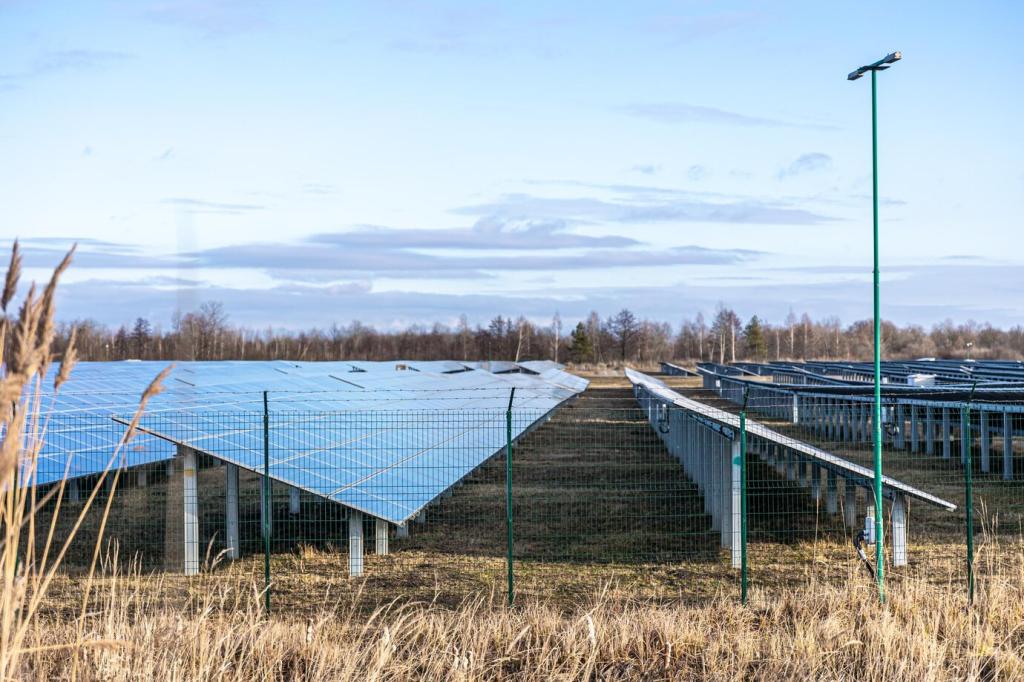
Solar power is one of the most accessible and scalable renewable energy options for businesses. From rooftop photovoltaic arrays to ground-mounted systems, solar installations can be tailored to match various energy requirements. Properly sized systems can offset a significant share of electricity demand, reducing dependency on the grid and supporting energy cost predictability.

Wind Power Integration
Depending on the location and site characteristics, wind energy can serve as a powerful complement or alternative to solar. Small- and medium-scale wind turbines are increasingly viable options for businesses with suitable real estate. Harnessing wind not only diversifies energy sources but can also offer advantages during periods when solar generation is low.

Innovative Hybrid Systems
For businesses seeking maximum resilience and efficiency, hybrid systems that combine multiple renewable sources—such as solar, wind, and bioenergy—can deliver more consistent outputs. Integrating technologies and synchronizing them with demand cycles allows organizations to optimize energy use, minimize curtailment, and enhance financial returns.
Optimizing Energy Storage Solutions
Battery Storage Technologies
Advanced battery solutions allow businesses to store excess renewable energy generated during peak production periods for use when generation is low or demand is high. Lithium-ion, flow, and other emerging battery chemistries provide different balances of cost, lifespan, and capacity, enabling a match to specific operational needs and expansion plans.
Thermal and Mechanical Storage
Beyond electrochemical storage, businesses can leverage thermal storage—such as molten salt—or mechanical options like flywheels to enhance flexibility. These systems are particularly suited for operations with predictable heating, cooling, or mechanical energy demands, providing efficient means to capture and reuse surplus energy from renewables.
Storage System Integration
Seamless integration of storage solutions with renewable energy systems and existing infrastructure maximizes efficiency. Smart control systems and energy management software coordinate charging and discharging, aligning stored energy use with real-time operational requirements and market price signals, thereby unlocking the full value of renewables.

Navigating Regulatory and Financial Incentives
Many jurisdictions provide direct financial support for renewable projects, including grants, rebates, and feed-in tariffs. These incentives can substantially offset upfront capital expenditures, improve project payback periods, and lower the barrier for small and medium enterprises looking to enter the renewable energy market.
Businesses often enjoy favorable tax treatment for renewable energy investments, such as accelerated depreciation, investment tax credits, or production-based incentives. Identifying and applying for these tax benefits can improve project economics and incentivize larger-scale or faster adoption.
Compliance with environmental regulations is both a challenge and an opportunity. By proactively aligning with evolving standards and reporting requirements, businesses can avoid penalties, gain early access to incentive programs, and position themselves as leaders in corporate sustainability.

Building a Robust Implementation Roadmap
Project Planning and Timeline Development
Effective project management begins by establishing clear milestones, responsibilities, and timelines. Detailed plans help anticipate potential obstacles—from permitting delays to supply chain issues—while keeping all stakeholders aligned towards successful project completion.
Stakeholder Engagement and Communication
Involving stakeholders across departments—such as operations, finance, procurement, and sustainability—creates buy-in and collective ownership of renewable integration initiatives. Transparent communication about goals, progress, and benefits helps build enthusiasm and resolve concerns during transitions.
Risk Assessment and Mitigation
Every renewable energy project carries potential risks, including technical failures, fluctuating energy prices, and regulatory changes. Developing a robust risk management strategy that includes contingency plans, insurance coverage, and scenario analysis ensures resilience and adaptability throughout the project lifecycle.
Unlocking Operational and Financial Benefits
Reducing Operational Costs
Renewables often lead to lower and more stable long-term energy costs by reducing exposure to market volatility and utility rate increases. Through intelligent energy management and on-site generation, businesses can realize substantial savings over the lifespan of renewable investments.
Enhancing Brand Value and Reputation
Sustainable practices, including renewable adoption, are increasingly important to customers, investors, and partners. Demonstrating a commitment to clean energy bolsters corporate reputation, attracts environmentally-conscious clients, and provides a competitive edge in tender and partnership opportunities.
Supporting Energy Independence and Security
By generating energy on-site or through dedicated renewable contracts, businesses can insulate themselves from grid disruptions, supply shortages, or geopolitical risks. This enhanced independence ensures continuity of operations and provides a foundation for long-term strategic planning.

Managing Intermittency and Reliability
The variable nature of solar and wind generation poses reliability concerns, particularly for businesses with critical, always-on operations. Solutions like diversified generation portfolios, advanced storage, and demand response strategies are key to ensuring a steady, uninterrupted power supply.

Addressing Upfront Investment Barriers
While renewable energy costs have declined significantly, initial investments can be daunting for many businesses. Exploring financing options—such as power purchase agreements, leasing models, or joint ventures—enables organizations to spread costs over time and access renewable benefits without overwhelming capital outlays.

Encouraging Organizational Change
Successful integration requires more than technology; it demands a cultural shift within the business. Training, leadership engagement, and change management programs help build a workforce that understands and supports the renewable transition, ensuring that new systems are embraced, maintained, and optimized for maximum benefit.